
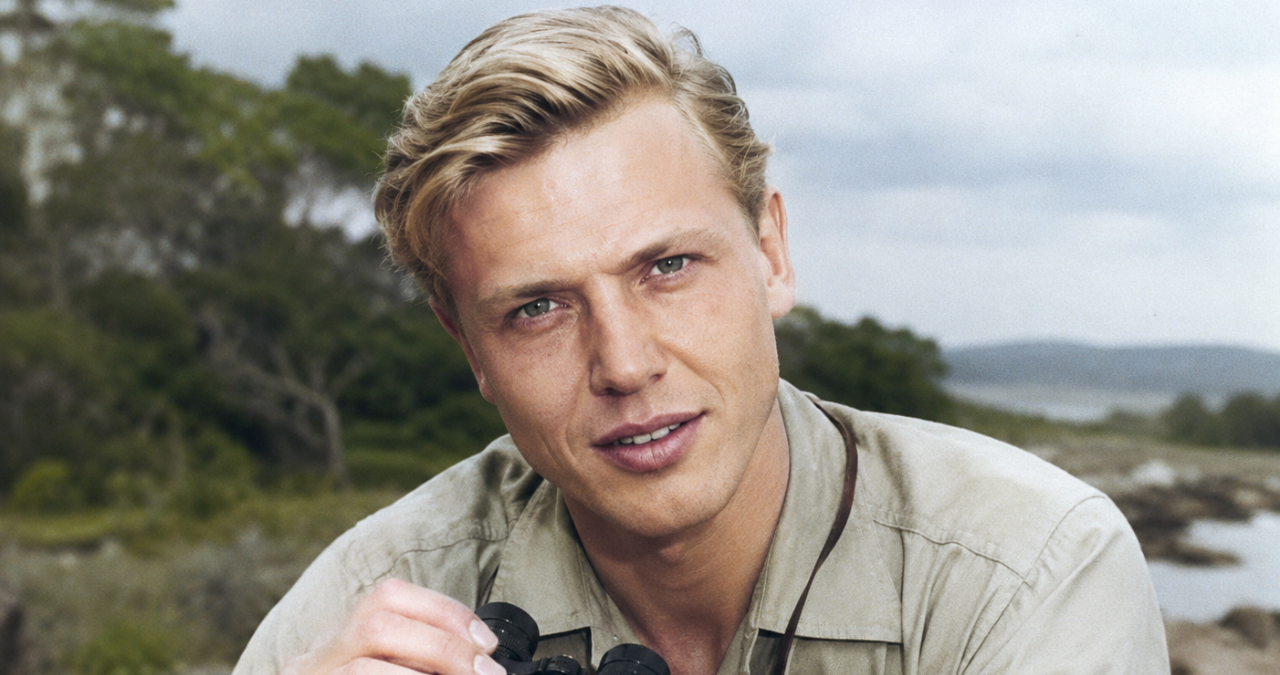
David Attenborough young is a topic that fascinates millions of people around the world. Before he became one of the most respected broadcasters and nature historians in history, he was simply a curious boy with a deep love for the natural world. His childhood adventures, education, family life, and early career all helped shape the remarkable person we know today.
Understanding david attenborough young gives us a better appreciation of how passion, patience, and lifelong learning can lead to extraordinary achievements. His journey reminds us that great careers often begin with simple interests developed during childhood.
In this article, we’ll explore David Attenborough’s early years, his education, family influences, first professional experiences, and the important lessons we can learn from his inspiring life.
Quick Information About David Attenborough Young
| Topic | Details |
|---|---|
| Full Name | Sir David Frederick Attenborough |
| Date of Birth | May 8, 1926 |
| Birthplace | Isleworth, Middlesex, England |
| Childhood Home | Leicester, England |
| Nationality | British |
| Parents | Frederick and Mary Attenborough |
| Siblings | Richard Attenborough and John Attenborough |
| Childhood Interest | Fossils, rocks, insects, and wildlife |
| Education | University of Cambridge |
| First Career | BBC Producer |
| Known For | Nature documentaries and wildlife broadcasting |
David Attenborough Young and His Early Childhood
The story of david attenborough young begins in England during the 1920s. David Frederick Attenborough was born into a family that valued education, curiosity, and learning. His father worked as a university principal, while his mother encouraged kindness and exploration.
Even as a very young child, David showed unusual curiosity. Instead of spending all his time playing ordinary games, he enjoyed collecting interesting stones, fossils, bird feathers, insects, and plants. Every walk outside became an exciting adventure.
His early fascination with nature wasn’t something anyone forced upon him. Instead, it grew naturally through observation and exploration.
These simple childhood experiences laid the foundation for everything he would later achieve.
Family Life That Encouraged Curiosity
David grew up in a supportive household where learning was celebrated. His parents believed education extended beyond books.
His father, Frederick Attenborough, served as Principal of University College Leicester. Because of this academic environment, David often met professors, scientists, and educated visitors.
Meanwhile, his mother created a warm and caring home where curiosity was welcomed.
The Attenborough family also cared for refugee children during World War II, teaching David compassion and responsibility from an early age.
His older brother, Richard Attenborough, later became a famous actor and film director. Another brother, John Attenborough, enjoyed a successful career in business.
Although each sibling followed a different path, they shared strong family values.
Growing Up in Leicester
Most of David’s childhood was spent in Leicester.
The city offered easy access to parks, fields, rivers, and countryside. These natural environments became his outdoor classroom.
Instead of seeing ordinary landscapes, young David noticed tiny details that many people ignored.
He carefully observed:
- Birds building nests
- Butterflies landing on flowers
- Beetles crawling under rocks
- Small mammals hiding in bushes
- Different tree species
- Wildflowers changing through the seasons
These observations developed his patience and scientific thinking.
Long before television cameras followed wildlife across the globe, young David practiced quietly watching animals without disturbing them.
A Childhood Filled With Nature
Perhaps the most remarkable feature of david attenborough young was his endless curiosity about living things.
He became an enthusiastic collector.
Some of the items he collected included:
- Fossils
- Amber
- Minerals
- Shells
- Bird eggs
- Insects
- Rocks
- Plant samples
He often organized these collections carefully, almost like a museum curator.
Rather than collecting items simply for fun, he wanted to understand them.
Questions constantly filled his mind.
- Why do birds migrate?
- How are fossils formed?
- Why do different insects behave differently?
- How old are certain rocks?
This habit of asking questions remained with him throughout his entire life.
Education During the Young Years
David attended local schools before continuing his education.
Teachers quickly noticed his intelligence and dedication.
Science became one of his favorite subjects.
However, he also enjoyed:
- Geography
- History
- Literature
- Languages
Learning about different parts of the world increased his desire to travel and understand Earth’s incredible biodiversity.
Unlike many students who studied only for exams, David genuinely loved learning.
His curiosity extended well beyond classroom lessons.
Books about animals, evolution, geology, and exploration became regular reading material.
University Life and Scientific Learning
After finishing school, David attended Clare College at the University of Cambridge.
He studied Natural Sciences.
This decision perfectly matched his childhood interests.
His university education introduced him to advanced scientific ideas, including:
| Subject | Importance |
|---|---|
| Zoology | Understanding animal life |
| Geology | Studying Earth’s structure |
| Botany | Learning about plants |
| Ecology | Relationships between organisms |
| Evolution | How species change over time |
University strengthened both his scientific knowledge and critical thinking skills.
Instead of simply memorizing facts, he learned how scientists investigate questions using evidence.
That approach later became one of the defining features of his documentaries.
Military Service Before Television
Like many young men of his generation, David completed military service after university.
He served in the Royal Navy.
Although military life differed greatly from wildlife exploration, it taught valuable lessons.
These included:
- Discipline
- Leadership
- Teamwork
- Responsibility
- Problem-solving
Every experience added another layer to his character.
After leaving military service, David searched for a career that would combine education, communication, and discovery.
Fortunately, an unexpected opportunity soon appeared.
Early BBC Career
One of the biggest turning points in david attenborough young came when he joined the British Broadcasting Corporation, better known as the BBC.
Interestingly, David had little television experience.
However, producers recognized his intelligence, enthusiasm, and ability to learn quickly.
Initially, he worked behind the scenes.
His responsibilities included:
- Researching programs
- Planning productions
- Learning television technology
- Writing scripts
- Organizing filming schedules
These experiences helped him understand every part of television production.
Rather than rushing into presenting, he patiently mastered the technical side first.
The First Television Adventures
Eventually, David began appearing in front of the camera.
Audiences immediately appreciated his calm voice, friendly personality, and genuine excitement.
Unlike many presenters, he never tried to make himself the center of attention.
Instead, nature remained the true star.
His early television work involved:
- Visiting zoos
- Meeting scientists
- Exploring wildlife habitats
- Introducing unusual animals
- Explaining scientific discoveries
Viewers quickly realized they were learning from someone who truly loved his subject.
That authenticity became one of his greatest strengths.
How David Attenborough Young Became a Naturalist
People often wonder what transformed a curious child into one of history’s greatest naturalists.
The answer lies in several lifelong habits.
Constant Observation
David always paid attention.
Small details mattered.
He noticed behaviors that others overlooked.
Endless Reading
Books became lifelong companions.
Every new discovery inspired more questions.
Scientific Thinking
Instead of making guesses, he searched for evidence.
Facts always came before opinions.
Respect for Wildlife
Animals weren’t entertainment.
They deserved careful observation and protection.
Curiosity
Perhaps his greatest strength was never losing the curiosity he developed as a child.
Even today, people admire that childlike sense of wonder.
Personal Qualities That Built Success
The story of david attenborough young teaches us that success rarely depends on talent alone.
Several personal qualities helped him achieve greatness.
Patience
Wildlife doesn’t perform on command.
Waiting quietly became an important skill.
Determination
Many filming projects required months or even years of preparation.
David never gave up easily.
Humility
Despite worldwide fame, he continued learning throughout his career.
Communication
He explained complicated scientific ideas using simple language.
That ability allowed millions of viewers to understand nature.
Optimism
Rather than focusing only on environmental problems, he also highlighted solutions and hope.
The Influence of Nature on His Future Career
Everything David experienced during childhood influenced his later achievements.
His collections developed organization.
His observations improved patience.
His education strengthened scientific understanding.
His BBC experience taught storytelling.
When these skills came together, they created documentaries unlike anything audiences had seen before.
His programs inspired countless people to appreciate wildlife, conservation, and environmental science.
Why Young People Still Admire David Attenborough
Many children and students continue to find inspiration in David’s early life.
They admire him because he proves that:
- Curiosity matters.
- Learning never stops.
- Nature deserves protection.
- Science can be exciting.
- Kindness and respect go together.
- Small interests can grow into lifelong careers.
His story encourages young people to spend more time exploring the natural world rather than simply observing it through screens.
Interesting Facts About David Attenborough Young
Here are some fascinating facts from his younger years.
| Fact | Description |
|---|---|
| Loved fossils | Collected fossils as a child |
| Nature collections | Gathered rocks, insects, and minerals |
| Academic family | Grew up in a highly educated household |
| Cambridge graduate | Studied Natural Sciences |
| Royal Navy | Served before joining television |
| BBC beginning | Started as a producer rather than a presenter |
| Lifelong learner | Continued studying nature throughout life |
Lessons We Can Learn From David Attenborough Young
David’s journey offers valuable lessons for everyone.
Follow Your Interests
Small hobbies may become lifelong careers.
Keep Asking Questions
Curiosity leads to discovery.
Never Stop Learning
Education continues throughout life.
Respect Nature
Protecting wildlife benefits everyone.
Be Patient
Great achievements often require years of effort.
Stay Humble
There’s always something new to learn.
Frequently Asked Questions
Where was David Attenborough born?
He was born in Isleworth, Middlesex, England, on May 8, 1926.
What interested David Attenborough as a child?
He loved collecting fossils, rocks, insects, shells, and studying wildlife.
What did David Attenborough study?
He studied Natural Sciences at the University of Cambridge.
Did David Attenborough always work in television?
No. Before becoming a famous presenter, he worked behind the scenes as a BBC producer and also served in the Royal Navy.
Why is David Attenborough so respected?
People admire him for his scientific knowledge, honesty, storytelling skills, and lifelong dedication to wildlife conservation.
How did childhood influence his career?
His curiosity, nature collections, education, and love of observation helped shape his future as a world-famous naturalist and broadcaster.
Final Thoughts on David Attenborough Young
The story of david attenborough young is much more than a biography of famous childhood years. It is a powerful reminder that curiosity, education, patience, and a genuine love of learning can shape an extraordinary future. From collecting fossils and observing birds in Leicester to studying natural sciences at Cambridge and eventually joining the BBC, every stage of his early life prepared him for a remarkable career that inspired generations around the world.
His journey demonstrates that great achievements often begin with simple interests nurtured over time. Whether you dream of becoming a scientist, writer, filmmaker, teacher, or explorer, the example of david attenborough young shows that asking questions, respecting nature, and never losing your sense of wonder can lead to lasting success. Above all, the inspiring story of david attenborough young continues to encourage people of all ages to explore the natural world with curiosity, kindness, and hope.
Never miss a headline follow All News Here for fresh news, updates & insights every day.